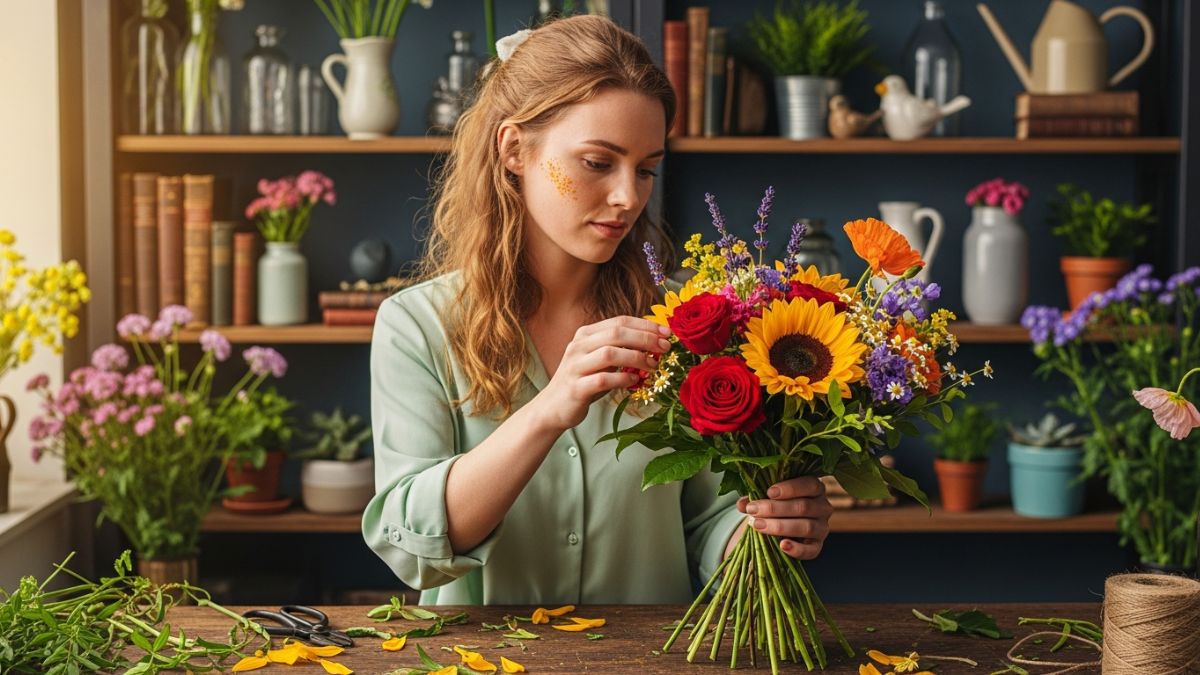
Pyntekvister is a term that may sound niche at first, but it represents a decorative concept deeply rooted in simplicity, nature, and timeless design. Commonly associated with Nordic and Scandinavian aesthetics, pyntekvister refers to decorative branches used for interior styling, seasonal decoration, and creative expression. In a world increasingly dominated by fast décor trends and mass-produced ornaments, pyntekvister stands out for its organic beauty and sustainable appeal. These natural decorative branches bring warmth, texture, and calm into living spaces while allowing endless flexibility in how they are styled. This article explores pyntekvister in depth, explaining what they are, how they are used, why they remain relevant today, and how they fit perfectly into modern homes and lifestyles.
What Pyntekvister Really Means
At its core, pyntekvister translates to decorative twigs or branches, but the concept goes far beyond a literal definition. Pyntekvister embodies the idea of using natural materials as design elements rather than mere background details. These branches can be dried, painted, left raw, or lightly treated to preserve their natural texture. Unlike artificial decorations, pyntekvister celebrates irregularity no two branches are the same, and that uniqueness is precisely the point. This approach aligns closely with natural home decoration philosophies that prioritize authenticity, balance, and connection to the outdoors.
The Cultural Roots of Pyntekvister
Pyntekvister has strong cultural ties to Nordic decor traditions, where nature plays a central role in daily life and interior design. In Scandinavian countries, long winters and limited daylight encourage the use of calming, nature-inspired elements indoors. Decorative branches have historically been used to mark seasons, celebrate holidays, and bring life into homes during colder months. Over time, pyntekvister evolved from a seasonal practice into a year-round decorative element, valued for both its symbolic and aesthetic qualities.
Why Pyntekvister Fits Perfectly in Modern Homes
Modern interior design increasingly values simplicity, sustainability, and versatility, making pyntekvister more relevant than ever. These decorative branches work seamlessly in minimalist spaces, rustic interiors, and even contemporary urban apartments. They add visual interest without clutter, making a room feel styled yet breathable. Because pyntekvister does not overpower a space, it complements modern lifestyles where calm and functionality are just as important as visual appeal. This balance is one reason pyntekvister continues to gain popularity in modern home styling.
Pyntekvister as a Sustainable Décor Choice
Sustainability is no longer a trend it is a necessity, and pyntekvister aligns naturally with eco-conscious living. Using fallen branches, responsibly sourced twigs, or reusable decorative branches reduces reliance on plastic or disposable décor. Unlike trendy ornaments that quickly lose relevance, pyntekvister can be reused year after year with slight styling changes. This makes them an excellent option for those seeking natural home decoration solutions that are both beautiful and environmentally responsible.
Common Types of Pyntekvister Used in Decoration
Not all pyntekvister are the same, and different types of branches create different moods. Birch branches are popular for their light color and smooth texture, while willow branches offer flexibility and elegant curves. Cherry and apple branches are often used for seasonal displays, especially in spring. Dried branches with seed pods or textured bark add depth and character. Choosing the right type of pyntekvister depends on the desired atmosphere, whether it is soft and minimal or bold and artistic.
How Pyntekvister Enhances Seasonal Decorating
One of the greatest strengths of pyntekvister is its adaptability across seasons. In spring, branches can be paired with fresh greenery or pastel accents. Summer styling may include light fabrics or simple glass vases. Autumn pyntekvister often features warm tones, dried leaves, or subtle lighting. In winter, branches become a centerpiece for cozy décor, sometimes decorated with minimal ornaments or soft lights. This seasonal flexibility makes pyntekvister a year-round favorite in Nordic decor and beyond.
Using Pyntekvister in Minimalist Interior Design
Minimalist interiors rely on fewer elements that carry more meaning, and pyntekvister fits this philosophy perfectly. A single branch placed in a tall vase can become a focal point without overwhelming the space. The natural lines of the branch add movement and texture, preventing minimalist rooms from feeling sterile. Because pyntekvister does not rely on color or excessive detail, it enhances minimalism by adding warmth while maintaining visual simplicity.
Creative Styling Ideas with Pyntekvister
Pyntekvister invites creativity, allowing individuals to express personal style in subtle ways. Some people hang lightweight decorations from branches, while others use them as standalone sculptural pieces. Grouping several branches together can create a dramatic statement, while a single branch can convey quiet elegance. Pyntekvister can also be used in wall arrangements, table centerpieces, or floor vases. The beauty lies in experimentation there are no strict rules, only inspiration.
Pyntekvister in Small Living Spaces
Small apartments and compact homes benefit greatly from vertical décor, and pyntekvister excels in this area. Tall branches draw the eye upward, creating the illusion of height and openness. Because they take up minimal floor space, decorative branches are ideal for small rooms. They add personality without clutter, making them especially popular in urban living environments where every design choice matters.
The Emotional Impact of Natural Decorative Branches
Beyond aesthetics, pyntekvister has a subtle emotional impact. Natural elements are known to reduce stress and promote a sense of calm. Having decorative branches indoors creates a visual connection to nature, which can be grounding in busy or digital-heavy lifestyles. This emotional benefit is a key reason why pyntekvister remains relevant in modern design it is not just about how a space looks, but how it feels.
Pyntekvister and the Rise of Slow Living
The slow living movement encourages mindfulness, intentional choices, and appreciation for simple pleasures. Pyntekvister aligns beautifully with this philosophy. Collecting branches, arranging them thoughtfully, and reusing them over time encourages a slower, more mindful approach to decorating. Instead of constantly buying new items, pyntekvister invites people to pause, observe, and create with what nature provides.
How to Maintain and Care for Pyntekvister
Proper care ensures that pyntekvister remains beautiful over time. Dried branches should be kept away from excessive moisture to prevent mold. Light dusting helps maintain their appearance, and occasional repositioning can refresh their look. Some people choose to lightly treat branches to preserve color or texture, while others prefer the natural aging process. Maintenance is minimal, which adds to the appeal of pyntekvister as a low-effort décor solution.
Pyntekvister as a Statement Piece
While often subtle, pyntekvister can also serve as a bold statement. Large branches placed in oversized vases can define a room’s character. When styled intentionally, decorative branches become conversation starters that reflect a connection to nature and thoughtful design. This versatility allows pyntekvister to adapt to both understated and expressive interiors.
The Influence of Nordic Decor on Global Trends
Nordic decor has had a significant influence on global interior design, and pyntekvister is part of that influence. The emphasis on natural materials, neutral tones, and functional beauty resonates across cultures. As more people adopt Scandinavian-inspired design principles, pyntekvister continues to appear in homes worldwide, appreciated for its simplicity and authenticity.
Pyntekvister in Workspaces and Creative Environments
Decorative branches are not limited to homes; they are increasingly used in offices and creative studios. Pyntekvister adds warmth to professional environments without being distracting. In creative spaces, branches can inspire ideas and provide a calming counterbalance to screens and technology. This adaptability makes pyntekvister suitable for both personal and professional settings.
Why Pyntekvister Is More Than a Trend
Unlike short-lived décor fads, pyntekvister has endured because it is rooted in timeless principles. Nature-inspired design, sustainability, and emotional well-being are not passing interests they are long-term values. Pyntekvister adapts to changing styles while maintaining its core appeal, making it more of a design philosophy than a temporary trend.
Common Mistakes to Avoid When Styling Pyntekvister
While pyntekvister is forgiving, certain mistakes can diminish its impact. Overdecorating branches can make them feel cluttered and lose their natural charm. Choosing branches that are too small for a space can make them look insignificant, while oversized branches in tight spaces may feel overwhelming. Thoughtful balance and proportion are key to successful styling.
How Pyntekvister Reflects Personal Style
Every arrangement of pyntekvister tells a story about the person who styled it. Some prefer clean, bare branches that reflect minimalism, while others enjoy adding subtle decorative elements. Because pyntekvister is so adaptable, it becomes a personal expression rather than a fixed design choice. This personal connection is part of what makes decorative branches so meaningful.
The Future of Pyntekvister in Interior Design
As interior design continues to evolve, the role of natural elements is likely to grow stronger. Pyntekvister fits perfectly into future-focused design that values sustainability, flexibility, and emotional comfort. With increasing awareness of environmental impact and mental well-being, decorative branches are expected to remain a staple in modern interiors.
Conclusion
Pyntekvister is more than just decorative branches it is a reflection of a deeper connection to nature, simplicity, and mindful living. From its cultural roots in Nordic decor to its modern applications in homes and workspaces, pyntekvister continues to offer beauty, flexibility, and emotional value. Its sustainable nature, timeless appeal, and ability to adapt to personal style ensure that it remains relevant in an ever-changing design landscape. By embracing pyntekvister, individuals are not just decorating their spaces; they are inviting calm, authenticity, and natural elegance into their everyday lives.